Real Estate Website Design 2025: AI Chatbots and Virtual Tours

Real Estate Website Design 2025: AI Chatbots and Virtual Tours Blog | SEO Rankings February 27, 2025 Baber Ali Intro In 2025, the real estate market is evolving rapidly, with technology playing a pivotal role in how businesses engage with clients. Real estate website design is no longer just about listing properties. It’s about creating an immersive experience, leveraging Artificial Intelligence (AI) chatbots and 3D virtual tours to engage users, streamline lead qualification, and provide a cutting-edge, user-friendly platform for property seekers. In this article, we will explore how these technologies are transforming real estate websites and why they are essential for future-proofing your business. AI Chatbots for Real Estate: Revolutionizing Customer Engagement AI chatbots have become a key feature in real estate website design, offering a dynamic way to engage users instantly. These chatbots serve as virtual assistants that answer questions, guide users through property listings, and even qualify leads in real-time. For real estate agencies, this means higher efficiency, 24/7 availability, and better customer service. By using advanced Natural Language Processing (NLP), AI chatbots for real estate can offer personalized experiences. For instance, a user can ask the chatbot about specific properties or neighborhood details, and it will instantly provide relevant answers. This makes the experience much more interactive and tailored than static website pages. Moreover, AI chatbots are excellent at lead qualification, a process critical to real estate agencies. When a potential buyer visits a website, the chatbot can ask qualifying questions about the buyer’s budget, location preferences, and desired property features. Based on their responses, the chatbot can categorize them into different lead types (e.g., hot, warm, cold), helping real estate agents prioritize follow-ups. For real estate professionals seeking to improve their digital marketing strategy, the integration of chatbots offers a significant advantage. Not only does it improve lead generation, but it also boosts conversion rates, as prospective buyers feel more supported throughout their journey. For more information on improving user engagement with AI, check out our Social Media Management and Marketing. 3D Virtual Tours for Property Listings: The Future of Immersive UX The introduction of 3D virtual tours for property listings has taken user experience to new heights. Gone are the days of static photos that only provide a limited view of a property. Today, prospective buyers can virtually walk through a home, view every room, and interact with the space from the comfort of their own homes. This kind of immersive UX (User Experience) is rapidly becoming a standard feature on real estate websites. A 3D virtual tour provides an interactive experience that allows users to explore the layout, see the spatial relationship between rooms, and even visualize how they might arrange their own furniture. This is especially crucial in a competitive market where potential buyers may be comparing multiple properties at once. A high-quality virtual tour can set a property apart from the rest. In 2025, 3D virtual tours are no longer just an optional feature for luxury listings. They are quickly becoming a necessity for real estate businesses that want to stay competitive. This feature also appeals to international buyers or people relocating from out of state or country, offering them an opportunity to explore properties without having to travel. For expert guidance on integrating cutting-edge technologies into your website design, visit our Web Design and Development page. IDX Integration: A Must-Have for Real Estate Websites For real estate websites to remain competitive and efficient, IDX (Internet Data Exchange) integration is essential. IDX allows agents to display MLS (Multiple Listing Service) property data on their websites, offering real-time property listings to prospective buyers. This integration creates a seamless user experience by keeping property information up-to-date without requiring the user to leave the website. By incorporating IDX into your real estate website design, your platform can pull live data about available properties, price changes, and new listings directly from the MLS, all in real time. This ensures that potential buyers always have access to the most accurate and up-to-date property information, which enhances trust in your platform. IDX integration also enhances the website’s SEO by offering content that is constantly updated and highly relevant to the users. Real estate agents who incorporate IDX can further engage with visitors, helping them navigate through listings based on their specific criteria. This dynamic content makes your website more attractive to search engines, ultimately increasing visibility and attracting more traffic. Learn more about our Full-Stack Development and how we can help you integrate IDX into your website. Conclusion: Staying Ahead in the Real Estate Market with AI and Virtual Tours As we move further into 2025, the demand for advanced, immersive technology in real estate websites continues to grow. Incorporating AI chatbots, 3D virtual tours, and IDX integration into your website is no longer just an option; it’s a necessity to stay competitive in the market. These technologies not only help improve the lead qualification process but also provide an enhanced, engaging experience that keeps users on your site longer and increases conversions. The real estate industry is moving towards more automated, efficient, and immersive digital experiences, and now is the time to embrace these innovations. If you want to future-proof your real estate business, ensure your website leverages the power of AI and virtual tours to offer an unparalleled user experience. Start transforming your website today and take the first step toward a smarter, more engaging online presence. For further assistance in integrating these technologies, visit our Contact Us page to schedule a consultation.
10-Page Website Design: Industries That Need Scalability in 2025
10-Page Website Design: Industries That Need Scalability in 2025 Blog | SEO Rankings February 27, 2025 Baber Ali Intro In 2025, scalability is more critical than ever for businesses. With digital transformation continuously shaping industries, companies must ensure their websites can evolve with the growing demands of their customers. A 10-page website design is often the perfect starting point for businesses aiming for robust online presence, offering the flexibility to scale with added functionality and content as the business expands. In this article, we will explore industries that need scalability in their web design, focusing on the need for a multi-page website for SaaS, e-commerce website structure 2025, dynamic pricing pages, user journey mapping, and more. Additionally, we will discuss the essential elements of creating a scalable website, making sure that businesses can meet future demands without compromising user experience. Why Scalability is Crucial for 2025 Web Design Scalable websites are designed to adapt as businesses grow. The demand for performance, security, and user engagement continues to rise in sectors like SaaS, e-commerce, healthcare, and education. A multi-page website for SaaS offers flexibility and the ability to expand features such as subscription management, customer support, and analytics, all while maintaining a cohesive user experience. Similarly, e-commerce website structure 2025 is expected to feature multiple dynamic pages and product categories that can easily adapt to changes in inventory, pricing, and promotions. Industries That Require Scalable 10-Page Website Designs SaaS (Software as a Service) ProvidersSaaS businesses typically offer subscription-based services, and their websites need to support scalability as they expand their offerings and customer base. A 10-page website design is perfect for SaaS businesses, providing enough space to include key pages like pricing plans, features, customer success stories, blog content, and FAQs. As businesses grow, they can integrate advanced features such as customer portals, payment gateways, and support systems without needing a complete redesign. Read more about our business solution services. E-commerce StoresFor e-commerce websites, scalability is essential for handling growing inventories, pricing updates, and customer interactions. The e-commerce website structure 2025 focuses on modular and scalable designs to accommodate new product categories, promotional pages, and customer reviews. As these websites grow, the ability to integrate dynamic pricing pages and enhance product displays is vital. A 10-page design offers flexibility, allowing you to add key pages like category listings, product details, checkout, and user accounts. Discover how e-commerce solutions can help enhance your business scalability. Education and Online Learning PlatformsOnline learning platforms are evolving with the demand for new course offerings and engaging learning experiences. A scalable 10-page website design for such platforms can include pages for different courses, instructors, user dashboards, and student success stories. Additionally, the ability to add dynamic pricing for course subscriptions and integrate learning management systems (LMS) is vital as the platform grows. Learn more about mobile app development to extend your reach and engagement. Healthcare ProvidersHealthcare institutions increasingly rely on websites to deliver patient services, book appointments, and provide health information. Scalability ensures the website can handle an increasing number of services, patient testimonials, and secure communication features like patient portals. A 10-page website design could include sections for appointment booking, insurance info, patient resources, and telemedicine capabilities. Real Estate BusinessesReal estate websites need scalability to accommodate constantly changing listings, pricing, and user-generated content. With dynamic pages for properties, agent directories, and client testimonials, a 10-page web design offers a great starting point. Real estate websites can easily scale to add virtual tours, interactive maps, and automated listing updates. Learn more about our real estate website design. Financial InstitutionsBanks, investment firms, and other financial service providers require scalable web designs to deliver their products and services. Pages for personal banking, corporate accounts, investment options, and customer support need to evolve as the company grows. With a scalable 10-page design, these institutions can ensure a secure and dynamic user experience while adding new services. Manufacturing and Supply Chain CompaniesManufacturing businesses often deal with complex product catalogs, logistical details, and business-to-business (B2B) communications. A scalable website can help these businesses manage their online presence by creating pages for their product lines, customer inquiries, pricing, and logistics management. As they expand, businesses can introduce additional pages like supplier portals, order tracking systems, and pricing calculators. Key Elements of a Scalable 10-Page Website Design Content SilosA scalable website design must include well-structured content silos. These silos help organize the website’s content into thematic categories for improved user navigation and SEO. Each industry mentioned above will benefit from content silos that group related information together, making it easier for users to find what they’re looking for while also boosting search engine optimization (SEO). Dynamic Pricing PagesDynamic pricing is essential in industries like e-commerce and SaaS, where product or service prices may fluctuate based on market demand or user preferences. A scalable website design should allow for easy updates to pricing models without disrupting the user experience. This is particularly important in the e-commerce website structure 2025. User Journey MappingUser journey mapping ensures that customers have a seamless experience when navigating a website. By understanding and optimizing the customer path through key pages, businesses can guide users from discovery to conversion. A 10-page website design should consider multiple touchpoints and integrate well-designed calls to action, making sure each step in the user journey is met with intuitive navigation and relevant content. Conclusion As businesses expand in 2025, the importance of having a scalable website design cannot be overstated. A multi-page website for SaaS or an e-commerce website structure 2025 must be designed with growth in mind. With the right approach to content silos, dynamic pricing pages, and user journey mapping, businesses in SaaS, e-commerce, education, healthcare, real estate, and other sectors can ensure their websites evolve with their growth. For businesses looking to future-proof their web presence, a scalable 10-page website design offers the flexibility needed to meet new demands without compromising the user experience. For more information on building scalable websites, check out our web design and development services.
Website Cost in Dubai 2025: Transparent Pricing for Startups
Website Cost in Dubai 2025: Transparent Pricing for Startups Blog | SEO Rankings February 27, 2025 Baber Ali Intro Starting a business in Dubai in 2025? One of the first and most critical decisions for your new venture is determining your website development costs. Navigating the costs associated with web design, development, hosting, and ongoing support can be overwhelming for startups. In this comprehensive guide, we’ll break down web design pricing in Dubai 2025, explore regional hosting costs, understand VAT implications, and highlight startup-friendly packages. Whether you are seeking cheap Dubai web developers or a more customized, premium approach, this article will give you a clear, transparent breakdown of what to expect when building a website for your business in Dubai. 1. Web Design Pricing in Dubai 2025: What You Need to Know The landscape of web design has evolved significantly over the past few years, especially in a fast-paced, business-oriented environment like Dubai. Prices can vary widely depending on several factors including complexity, design requirements, and the expertise of the developers. Basic Website Packages: For a basic website with a few pages (like an informational or portfolio site), you can expect to pay anywhere between AED 5,000 to AED 15,000. These packages generally include basic design and development, without heavy customizations or e-commerce capabilities. Advanced and E-Commerce Websites: If you’re looking for a more advanced site with custom features, e-commerce integration, or advanced functionality (e.g., a booking system or customer portals), prices typically range from AED 15,000 to AED 50,000, or even higher. E-commerce sites, in particular, require robust security, seamless user experience design, and integrated payment systems. For a deep dive into specific pricing categories, check out our Web Development Pricing. Custom Web Design vs. Templates: Choosing between a custom-designed website and a template-based approach will impact your budget. Custom designs are generally more expensive but offer greater flexibility in branding and functionality. Template-based websites are more cost-effective and can be ideal for small businesses and startups looking to minimize costs initially 2. Regional Hosting Costs: Understanding Dubai’s Hosting Environment Hosting costs are a critical part of your website’s ongoing expenses. Depending on your business needs and scale, the type of hosting you choose can significantly impact your budget. Shared Hosting: For startups, shared hosting is often the most economical choice. Prices range from AED 150 to AED 500 per year. Shared hosting is perfect for small websites with moderate traffic, but it can come with limitations in terms of speed and performance. VPS and Dedicated Hosting: For websites that require higher traffic capacity or more control over security and performance, Virtual Private Server (VPS) hosting or dedicated servers might be a better option. These can cost between AED 2,000 and AED 10,000 annually depending on the resources and level of support you need. Find more information about our hosting solutions here: Web Hosting Services. Local Hosting vs. International Hosting: Many Dubai-based startups choose local hosting providers because of proximity to their target market, which can enhance website speed. However, international hosting can sometimes offer better scalability options. Evaluate both options carefully based on your target audience’s location. 3. VAT Implications in Dubai: Understanding Taxation on Website Costs Since the introduction of Value Added Tax (VAT) in the UAE, businesses must account for VAT in their operational expenses, including the costs associated with website design, development, and hosting. VAT on Web Development Services: In Dubai, the standard VAT rate is 5%, which is applicable to all web design and development services. It’s important to factor in VAT when receiving quotes for your website. If you’re planning to outsource development to international agencies, VAT may not be applicable. However, you should be aware of any additional costs, such as customs duties or local tax implications, for international services. For more details on VAT implications for your business, visit our Business Solutions. 4. Startup-Friendly Packages: Budgeting for Your First Website Startups in Dubai often operate with tight budgets, making cost-effective options crucial when considering a new website. Fortunately, many web design companies offer startup-friendly packages that include affordable designs, essential functionalities, and ongoing support. Cost-Effective Web Design Packages: Look for packages that provide a comprehensive solution, including design, development, and essential SEO optimization. Many agencies now offer bundle deals that combine website development with digital marketing services such as SEO and social media marketing. Check out SEO Pricing for additional value-added services that can support your business growth. Monthly Maintenance and Support: It’s also a good idea to include monthly support packages for updates, security monitoring, and troubleshooting. These packages often start at AED 500 to AED 2,000 per month, depending on the level of service required. With this, you ensure that your website remains functional, secure, and up-to-date. 5. How to Find Affordable Web Developers in Dubai If you’re searching for cheap Dubai web developers, it’s essential to balance affordability with quality. While it might be tempting to choose the lowest-priced option, remember that the success of your website relies heavily on the skill and expertise of the developers you hire. Outsourcing vs. In-House Developers: Outsourcing web development can be a cost-effective choice, especially if you are working with international developers. However, local Dubai-based developers are often preferred due to their understanding of the regional market and client preferences. Looking for affordable and reliable developers? Explore our Web Design and Development Services for more information. Conclusion Building a website for your startup in Dubai in 2025 doesn’t have to break the bank. By understanding the pricing structure for web design, regional hosting costs, VAT implications, and startup-friendly packages, you can plan your budget effectively and choose the best options for your business. With the right web developers and the right plan, your online presence can be both professional and cost-effective. For more details about building a website, check out our How Much Does a Website Cost in Dubai?.
cPanel Reseller Hosting 2025: Best Practices for White-Label Brands
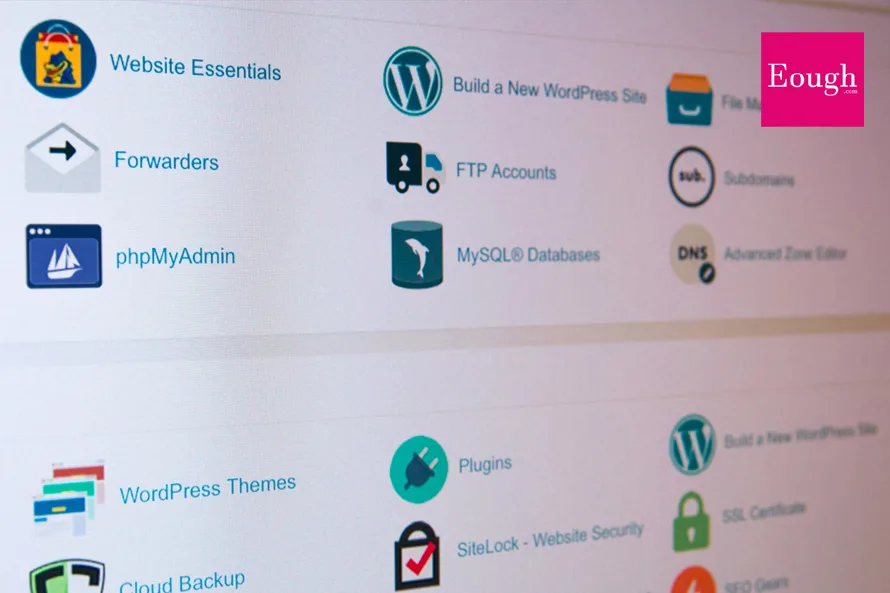
cPanel Reseller Hosting 2025: Best Practices for White-Label Brands Blog | SEO Rankings February 27, 2025 Baber Ali Intro In 2025, the demand for reseller hosting continues to grow as businesses look for scalable solutions to offer web hosting services under their brand. cPanel reseller hosting offers an intuitive, user-friendly platform for web hosting businesses to manage multiple client accounts. But to stand out in a competitive market, white-label hosting solutions are becoming increasingly popular. White-label hosting enables businesses to offer fully branded services, enhancing customer satisfaction while maintaining the flexibility and power of cPanel’s back-end infrastructure. In this comprehensive guide, we will cover the best practices for managing cPanel reseller hosting in 2025. We will focus on brand customization, client onboarding, and SSL management, ensuring your reseller business is equipped to thrive in today’s market. We’ll also explore how to incorporate these elements for seamless and efficient white-label branding. 1. Why cPanel Reseller Hosting is Essential for White-Label Brands cPanel reseller hosting provides businesses with a robust foundation to offer web hosting services to their clients while maintaining control over branding and user experience. With cPanel reseller hosting, you can easily manage client accounts and server settings from a centralized platform. Key Benefits: Ease of Use: cPanel’s interface is intuitive, making it accessible even to clients without technical expertise. Custom Branding: You can brand the platform with your logo, color scheme, and company name to maintain a consistent experience for clients. Scalability: As your business grows, you can quickly scale up your hosting resources without interruptions. By adopting white-label hosting solutions, resellers are able to rebrand cPanel’s infrastructure and present it as their own, allowing for a fully customized and professional hosting experience for clients. 2. Best Practices for Brand Customization Brand customization is a crucial aspect of running a successful reseller hosting business. With cPanel reseller hosting, you can tailor your clients’ experience to match your brand identity. Here’s how to get started: Custom cPanel Themes: Customize the look and feel of cPanel for your clients by altering default themes. This gives a personalized touch while maintaining all the powerful functionality of the platform. Branded Login Page: Make sure that clients always see your brand by customizing the login page with your logo and brand colors. A seamless and branded login experience builds trust with your clients. Dedicated Client Portal: Create a separate, branded portal where clients can manage their hosting accounts, billing, and support tickets. This ensures your brand is front and center in all interactions. Further Reading: Learn more about customizing your web hosting solutions. 3. Streamlining Client Onboarding Client onboarding can make or break your relationship with new customers. A smooth, efficient onboarding process ensures that your clients feel confident in your services from the get-go. Here are some essential steps to streamline client onboarding with cPanel reseller hosting: Automated Account Creation: Use cPanel’s API to automate client account creation and provisioning. This reduces manual work and speeds up the process. Welcome Email Template: Send a branded welcome email that includes all necessary information, including login credentials, support resources, and tips for getting started. User Guides & Tutorials: Provide easy-to-understand user guides tailored to your services. Make sure clients know how to use cPanel’s features such as email setup, file management, and database access. Explore Our Services: For more information about improving client interactions, check out our business solutions. 4. SSL Management for Enhanced Security In 2025, ensuring website security is non-negotiable. As a reseller, offering SSL certificates to your clients not only boosts trust but also improves search engine rankings. Here’s how you can manage SSL certificates effectively with cPanel reseller hosting: Automated SSL Installation: cPanel supports automatic installation of SSL certificates via Let’s Encrypt. This feature allows you to secure your clients’ websites without manual intervention. SSL Monitoring: Regularly monitor SSL certificates for expiration dates and ensure they are renewed on time. Utilize tools that alert you when certificates are about to expire. Educate Your Clients: Offer SSL management services as part of your hosting packages. Educate your clients on the importance of SSL for protecting sensitive information and enhancing website credibility. Learn More About SSL Management: Visit our guide on web hosting security. 5. Optimizing for Search Engines (SEO) While it may seem unrelated, offering a white-label cPanel reseller hosting service can also play a role in your SEO strategy. Optimizing your reseller business site will help you gain more visibility, attract new clients, and increase conversions. Responsive Website Design: Make sure your hosting service website is mobile-friendly, as search engines prioritize mobile-optimized websites. Customize your site with professional design elements that reflect your brand. SEO for Hosting Services: Leverage keywords such as cPanel reseller hosting and white-label hosting solutions 2025 in your content to drive organic traffic. Focus on creating valuable content that addresses the needs and pain points of your target audience. Further Reading: Check out our SEO services for more tips. 6. Scalability and Growth As your business grows, so will your clients’ needs. Ensure that you have the infrastructure in place to scale effectively: Resource Upgrades: As clients add websites or services, offer easy upgrades to hosting packages. cPanel reseller hosting allows you to add more resources seamlessly. Dedicated Support Teams: Invest in a robust support system to handle increased client inquiries. Offering exceptional customer support will set your business apart in a competitive market. Diversify Your Offerings: In addition to cPanel reseller hosting, consider offering other products such as WordPress hosting or VPS hosting to cater to a broader range of clients. Check Out Our Hosting Options: Explore WordPress Hosting and other hosting solutions. Conclusion cPanel reseller hosting is a powerful tool for entrepreneurs seeking to offer branded hosting solutions in 2025. By focusing on brand customization, client onboarding, and SSL management, you can establish a reliable and secure service that resonates with clients. By implementing the best practices outlined above, your business can stand out in a competitive landscape while offering top-tier hosting services. For