2025 PPC Audit Checklist: Fixing Google Ads for E-commerce

2025 PPC Audit Checklist: Fixing Google Ads for E-commerce Blog | SEO Rankings February 28, 2025 Baber Ali Intro Managing pay-per-click (PPC) campaigns for e-commerce businesses is becoming increasingly complex, especially with constant updates to Google Ads features and bidding strategies. To maximize return on ad spend (ROAS) and boost conversions in 2025, businesses need to focus on optimizing their PPC audits. Whether you’re managing Smart Bidding strategies, exploring Performance Max (PMax) campaigns, or leveraging Google Ads automation tools, a thorough PPC audit is key to ensuring your campaigns are running efficiently. This comprehensive checklist will walk you through the essential steps to fix your Google Ads and ensure they are aligned with your e-commerce goals. 1. Understand the Importance of a PPC Audit for E-Commerce in 2025 A PPC audit is more than just checking if your ads are running. For e-commerce businesses, it’s an ongoing process of ensuring that each campaign is working toward improving ROAS. In 2025, this means considering automation tools like Google Ads Smart Bidding, as well as new features like Performance Max (PMax) campaigns, which have completely transformed how ads are optimized for performance across multiple Google channels. By focusing on a robust e-commerce PPC audit, you’ll identify gaps and areas for improvement that could significantly impact your bottom line. Explore E-commerce Solutions to understand how specific tools and strategies can assist in optimizing your PPC campaigns. 2. Check Campaign Structure and Goal Alignment The first step in any PPC audit is to assess your campaign structure. Are your campaigns segmented by product categories, customer intent, or geographic regions? A solid campaign structure allows you to optimize for specific goals like sales volume, brand awareness, or new customer acquisition. Are your campaigns aligned with your e-commerce business goals? Review your goals for each campaign and make sure they align with the ultimate objective of improving your bottom line. Smart Bidding: Leverage Smart Bidding strategies to automate bid adjustments based on real-time data. Ensure that your campaigns are using the right Smart Bidding options, such as Target ROAS or Maximize Conversions, to optimize your spend. If your campaigns aren’t set up correctly, consider using Google Ads Automation Tools to streamline and optimize your bidding strategies. 3. Evaluate Performance Max (PMax) Campaigns Performance Max campaigns, one of Google Ads’ most innovative features, should be an integral part of your audit checklist. PMax campaigns use machine learning to deliver ads across Google’s entire inventory, optimizing for conversions, traffic, and more. It’s crucial to assess how well PMax campaigns are integrated into your strategy. Assess PMax Campaigns for Proper Data Integration: Ensure that PMax campaigns have enough data to function effectively. Google uses past performance to optimize future ad placements, so a lack of data can hinder success. Review PMax Campaign Settings: Check targeting, budget allocation, and performance metrics to ensure that PMax is being used effectively. As a best practice, ensure that your Google Ads PPC Management services are regularly adjusted based on real-time performance data. 4. Optimize Ad Copy and Keywords Choosing the right hosting is about balancing cost, performance, and the unique needs of your website. If you’re just starting, shared hosting might be the right fit. However, as your website grows and your needs evolve, consider moving to a more powerful hosting solution like VPS or dedicated hosting. Even in 2025, strong ad copy and relevant keywords remain critical to a successful PPC campaign. During your audit, focus on the following aspects: Keyword Relevance: Ensure your keywords are aligned with your products and the customer search intent. Consider using Google’s Keyword Planner to help identify high-performing keywords for your industry. Ad Copy and Ad Extensions: Test various ad copies and extension formats to improve engagement and CTR (Click-Through Rate). Customize your ads based on product categories and special offers. Remember that the combination of well-targeted keywords and compelling ad copy can make or break the success of your e-commerce PPC audit. For WordPress sites, choosing a specialized WordPress hosting plan will ensure your site is optimized for both performance and SEO. 5. Review Budget and Bidding Strategy A crucial part of your audit is reviewing how your budget is being allocated. Are you overpaying for clicks? Are there areas where the budget is underutilized? Optimize for ROAS: In 2025, Smart Bidding strategies like Target ROAS (Return on Ad Spend) allow automated adjustments to be made based on performance data, ensuring you’re spending effectively. Adjust Budgets Based on Campaign Performance: Consider increasing budgets for high-performing campaigns and decreasing budgets for underperforming ones. This helps focus your budget on campaigns with the best potential for profitability. Exploring Google Ads Automation Tools can simplify this process by automatically adjusting bids based on real-time performance. 6. Examine Device and Location Targetingy and Keywords Device and location targeting are often overlooked during audits. For e-commerce businesses, focusing on where and how customers engage with your ads is essential for optimizing your budget and increasing conversions. Device Targeting: Check the performance of ads across different devices (desktop, mobile, tablet). Adjust bids based on which devices are delivering the highest conversion rates. Location Targeting: Evaluate the performance of your ads in specific locations. Use geo-targeting to direct your ads to areas where your products are most in demand. Ensure your targeting strategies are updated and relevant by linking your PPC efforts with Local PPC Services, which can help refine location-based targeting. 7. Analyze Conversion Tracking and Attribution Models Conversion tracking is a critical part of your PPC audit
How to Start a Reseller Hosting Business in 2025 (Step-by-Step)
How to Start a Reseller Hosting Business in 2025 (Step-by-Step) Blog | SEO Rankings February 28, 2025 Baber Ali Intro Starting a reseller hosting business in 2025 can be a lucrative venture if done correctly. With the growing demand for websites and online services, reselling web hosting can provide a stable source of income with low upfront investment. This step-by-step guide will cover everything you need to know, from creating a reseller hosting business plan to setting up tools like WHMCS, and understanding GDPR compliance. If you’re serious about entering the hosting market, you’re in the right place. Let’s dive in! 1. Understanding Reseller Hosting Reseller hosting involves purchasing bulk hosting services from a web hosting provider and reselling them to clients under your own brand. Unlike traditional hosting, you don’t need to own physical servers. Instead, you use a provider’s infrastructure, which allows you to focus on marketing, customer service, and business growth. For more on the types of web hosting and cPanel reseller hosting, check out this page. 2. Crafting Your Reseller Hosting Business Plan The foundation of any successful business is a solid plan. Here’s what you need to include in your reseller hosting business plan: Market Research: Understand your target audience and their needs. Are you focusing on small businesses, developers, or individuals looking for affordable hosting? Pricing Strategy: Research competitors and determine competitive yet profitable pricing. Profit Margins: The profit margins in reseller hosting can vary, but typically, resellers mark up hosting packages by 20-50%. Your goal should be to balance competitive pricing with sustainable profit margins. Customer Support: Plan for reliable customer service options, including 24/7 support and a ticketing system. For further insights on business solutions, visit our Business Solution Page. 3. Choosing the Right Hosting Provider Selecting the right hosting provider is crucial for ensuring a seamless experience for your clients. Look for: Reliable uptime: Ensure the provider offers excellent uptime (99.9% or higher). Scalability: As your business grows, you want to easily scale your hosting packages. Customer support: Your provider should offer robust support to help you with issues related to server maintenance or troubleshooting. Check out our web hosting options to understand the best choices for resellers. 4. Setting Up WHMCS for Billing and Management WHMCS is an essential tool for resellers as it automates billing, invoicing, and account management. Setting it up involves: Configuring your server: Integrate your hosting provider’s API into WHMCS to ensure smooth provisioning of hosting accounts. Customizing your branding: Make the system reflect your brand’s identity. You can change logos, colors, and templates. Automation: Set up automated billing and reminders to avoid manual errors and ensure smooth operations. Learn more about WHMCS setup here. 5. Implementing GDPR Compliance As a reseller hosting business owner, you must comply with GDPR (General Data Protection Regulation) when handling customer data. Here’s how to ensure you’re compliant: Data Protection: Implement SSL certificates and encryption for your customer data. User Consent: Ensure your customers agree to your privacy policy when they sign up. Data Requests: Allow customers to access, correct, or delete their data upon request. Explore more on GDPR compliance and its importance here. 6. Marketing Your Reseller Hosting Business To attract clients to your reseller hosting business, consider these marketing strategies: SEO and Content Marketing: Create a blog and resource center around hosting, providing valuable content that ranks well in search engines. PPC Advertising: Invest in targeted PPC campaigns on Google and social media platforms to reach potential clients. Affiliate Marketing: Leverage hosting affiliate programs in 2025 to partner with other businesses and promote your services. Learn about how we can help you with PPC Campaigns and SEO here. 7. Expanding Your Services As you grow, consider offering complementary services such as: Website Development: Offer website design and development to your customers. Digital Marketing: Help clients with online marketing services like SEO, social media management, and paid ads. Explore our web design and development services for more ideas. 8. Customer Support and Retention Customer satisfaction is key to a successful reseller hosting business. Providing excellent support will build trust and keep clients loyal. Some key points to consider: 24/7 Customer Support: Always be available to handle inquiries, whether through live chat, email, or phone. Knowledge Base: Build a helpful knowledge base to help clients solve common issues on their own. For customer-centric service ideas, check out our social media management services. 9. Profitability and Scaling Once your business is up and running, it’s time to focus on profitability and scaling: Review and Adjust Pricing: As your business grows, you can adjust pricing and upsell additional services. Expand Your Offerings: Consider introducing higher-end hosting plans or premium support packages to increase your revenue per customer. For more on e-commerce solutions and other business strategies, visit here. Conclusion Starting a reseller hosting business in 2025 is a promising opportunity if you approach it with a solid business plan, effective tools like WHMCS, and attention to legal compliance such as GDPR. By following the steps outlined in this guide, you’ll be well on your way to running a successful and profitable reseller hosting business.
Real Estate Website Design 2025: AI Chatbots and Virtual Tours
Real Estate Website Design 2025: AI Chatbots and Virtual Tours Blog | SEO Rankings February 27, 2025 Baber Ali Intro In 2025, the real estate market is evolving rapidly, with technology playing a pivotal role in how businesses engage with clients. Real estate website design is no longer just about listing properties. It’s about creating an immersive experience, leveraging Artificial Intelligence (AI) chatbots and 3D virtual tours to engage users, streamline lead qualification, and provide a cutting-edge, user-friendly platform for property seekers. In this article, we will explore how these technologies are transforming real estate websites and why they are essential for future-proofing your business. AI Chatbots for Real Estate: Revolutionizing Customer Engagement AI chatbots have become a key feature in real estate website design, offering a dynamic way to engage users instantly. These chatbots serve as virtual assistants that answer questions, guide users through property listings, and even qualify leads in real-time. For real estate agencies, this means higher efficiency, 24/7 availability, and better customer service. By using advanced Natural Language Processing (NLP), AI chatbots for real estate can offer personalized experiences. For instance, a user can ask the chatbot about specific properties or neighborhood details, and it will instantly provide relevant answers. This makes the experience much more interactive and tailored than static website pages. Moreover, AI chatbots are excellent at lead qualification, a process critical to real estate agencies. When a potential buyer visits a website, the chatbot can ask qualifying questions about the buyer’s budget, location preferences, and desired property features. Based on their responses, the chatbot can categorize them into different lead types (e.g., hot, warm, cold), helping real estate agents prioritize follow-ups. For real estate professionals seeking to improve their digital marketing strategy, the integration of chatbots offers a significant advantage. Not only does it improve lead generation, but it also boosts conversion rates, as prospective buyers feel more supported throughout their journey. For more information on improving user engagement with AI, check out our Social Media Management and Marketing. 3D Virtual Tours for Property Listings: The Future of Immersive UX The introduction of 3D virtual tours for property listings has taken user experience to new heights. Gone are the days of static photos that only provide a limited view of a property. Today, prospective buyers can virtually walk through a home, view every room, and interact with the space from the comfort of their own homes. This kind of immersive UX (User Experience) is rapidly becoming a standard feature on real estate websites. A 3D virtual tour provides an interactive experience that allows users to explore the layout, see the spatial relationship between rooms, and even visualize how they might arrange their own furniture. This is especially crucial in a competitive market where potential buyers may be comparing multiple properties at once. A high-quality virtual tour can set a property apart from the rest. In 2025, 3D virtual tours are no longer just an optional feature for luxury listings. They are quickly becoming a necessity for real estate businesses that want to stay competitive. This feature also appeals to international buyers or people relocating from out of state or country, offering them an opportunity to explore properties without having to travel. For expert guidance on integrating cutting-edge technologies into your website design, visit our Web Design and Development page. IDX Integration: A Must-Have for Real Estate Websites For real estate websites to remain competitive and efficient, IDX (Internet Data Exchange) integration is essential. IDX allows agents to display MLS (Multiple Listing Service) property data on their websites, offering real-time property listings to prospective buyers. This integration creates a seamless user experience by keeping property information up-to-date without requiring the user to leave the website. By incorporating IDX into your real estate website design, your platform can pull live data about available properties, price changes, and new listings directly from the MLS, all in real time. This ensures that potential buyers always have access to the most accurate and up-to-date property information, which enhances trust in your platform. IDX integration also enhances the website’s SEO by offering content that is constantly updated and highly relevant to the users. Real estate agents who incorporate IDX can further engage with visitors, helping them navigate through listings based on their specific criteria. This dynamic content makes your website more attractive to search engines, ultimately increasing visibility and attracting more traffic. Learn more about our Full-Stack Development and how we can help you integrate IDX into your website. Conclusion: Staying Ahead in the Real Estate Market with AI and Virtual Tours As we move further into 2025, the demand for advanced, immersive technology in real estate websites continues to grow. Incorporating AI chatbots, 3D virtual tours, and IDX integration into your website is no longer just an option; it’s a necessity to stay competitive in the market. These technologies not only help improve the lead qualification process but also provide an enhanced, engaging experience that keeps users on your site longer and increases conversions. The real estate industry is moving towards more automated, efficient, and immersive digital experiences, and now is the time to embrace these innovations. If you want to future-proof your real estate business, ensure your website leverages the power of AI and virtual tours to offer an unparalleled user experience. Start transforming your website today and take the first step toward a smarter, more engaging online presence. For further assistance in integrating these technologies, visit our Contact Us page to schedule a consultation.
10-Page Website Design: Industries That Need Scalability in 2025
10-Page Website Design: Industries That Need Scalability in 2025 Blog | SEO Rankings February 27, 2025 Baber Ali Intro In 2025, scalability is more critical than ever for businesses. With digital transformation continuously shaping industries, companies must ensure their websites can evolve with the growing demands of their customers. A 10-page website design is often the perfect starting point for businesses aiming for robust online presence, offering the flexibility to scale with added functionality and content as the business expands. In this article, we will explore industries that need scalability in their web design, focusing on the need for a multi-page website for SaaS, e-commerce website structure 2025, dynamic pricing pages, user journey mapping, and more. Additionally, we will discuss the essential elements of creating a scalable website, making sure that businesses can meet future demands without compromising user experience. Why Scalability is Crucial for 2025 Web Design Scalable websites are designed to adapt as businesses grow. The demand for performance, security, and user engagement continues to rise in sectors like SaaS, e-commerce, healthcare, and education. A multi-page website for SaaS offers flexibility and the ability to expand features such as subscription management, customer support, and analytics, all while maintaining a cohesive user experience. Similarly, e-commerce website structure 2025 is expected to feature multiple dynamic pages and product categories that can easily adapt to changes in inventory, pricing, and promotions. Industries That Require Scalable 10-Page Website Designs SaaS (Software as a Service) ProvidersSaaS businesses typically offer subscription-based services, and their websites need to support scalability as they expand their offerings and customer base. A 10-page website design is perfect for SaaS businesses, providing enough space to include key pages like pricing plans, features, customer success stories, blog content, and FAQs. As businesses grow, they can integrate advanced features such as customer portals, payment gateways, and support systems without needing a complete redesign. Read more about our business solution services. E-commerce StoresFor e-commerce websites, scalability is essential for handling growing inventories, pricing updates, and customer interactions. The e-commerce website structure 2025 focuses on modular and scalable designs to accommodate new product categories, promotional pages, and customer reviews. As these websites grow, the ability to integrate dynamic pricing pages and enhance product displays is vital. A 10-page design offers flexibility, allowing you to add key pages like category listings, product details, checkout, and user accounts. Discover how e-commerce solutions can help enhance your business scalability. Education and Online Learning PlatformsOnline learning platforms are evolving with the demand for new course offerings and engaging learning experiences. A scalable 10-page website design for such platforms can include pages for different courses, instructors, user dashboards, and student success stories. Additionally, the ability to add dynamic pricing for course subscriptions and integrate learning management systems (LMS) is vital as the platform grows. Learn more about mobile app development to extend your reach and engagement. Healthcare ProvidersHealthcare institutions increasingly rely on websites to deliver patient services, book appointments, and provide health information. Scalability ensures the website can handle an increasing number of services, patient testimonials, and secure communication features like patient portals. A 10-page website design could include sections for appointment booking, insurance info, patient resources, and telemedicine capabilities. Real Estate BusinessesReal estate websites need scalability to accommodate constantly changing listings, pricing, and user-generated content. With dynamic pages for properties, agent directories, and client testimonials, a 10-page web design offers a great starting point. Real estate websites can easily scale to add virtual tours, interactive maps, and automated listing updates. Learn more about our real estate website design. Financial InstitutionsBanks, investment firms, and other financial service providers require scalable web designs to deliver their products and services. Pages for personal banking, corporate accounts, investment options, and customer support need to evolve as the company grows. With a scalable 10-page design, these institutions can ensure a secure and dynamic user experience while adding new services. Manufacturing and Supply Chain CompaniesManufacturing businesses often deal with complex product catalogs, logistical details, and business-to-business (B2B) communications. A scalable website can help these businesses manage their online presence by creating pages for their product lines, customer inquiries, pricing, and logistics management. As they expand, businesses can introduce additional pages like supplier portals, order tracking systems, and pricing calculators. Key Elements of a Scalable 10-Page Website Design Content SilosA scalable website design must include well-structured content silos. These silos help organize the website’s content into thematic categories for improved user navigation and SEO. Each industry mentioned above will benefit from content silos that group related information together, making it easier for users to find what they’re looking for while also boosting search engine optimization (SEO). Dynamic Pricing PagesDynamic pricing is essential in industries like e-commerce and SaaS, where product or service prices may fluctuate based on market demand or user preferences. A scalable website design should allow for easy updates to pricing models without disrupting the user experience. This is particularly important in the e-commerce website structure 2025. User Journey MappingUser journey mapping ensures that customers have a seamless experience when navigating a website. By understanding and optimizing the customer path through key pages, businesses can guide users from discovery to conversion. A 10-page website design should consider multiple touchpoints and integrate well-designed calls to action, making sure each step in the user journey is met with intuitive navigation and relevant content. Conclusion As businesses expand in 2025, the importance of having a scalable website design cannot be overstated. A multi-page website for SaaS or an e-commerce website structure 2025 must be designed with growth in mind. With the right approach to content silos, dynamic pricing pages, and user journey mapping, businesses in SaaS, e-commerce, education, healthcare, real estate, and other sectors can ensure their websites evolve with their growth. For businesses looking to future-proof their web presence, a scalable 10-page website design offers the flexibility needed to meet new demands without compromising the user experience. For more information on building scalable websites, check out our web design and development services.
Website Cost in Dubai 2025: Transparent Pricing for Startups
Website Cost in Dubai 2025: Transparent Pricing for Startups Blog | SEO Rankings February 27, 2025 Baber Ali Intro Starting a business in Dubai in 2025? One of the first and most critical decisions for your new venture is determining your website development costs. Navigating the costs associated with web design, development, hosting, and ongoing support can be overwhelming for startups. In this comprehensive guide, we’ll break down web design pricing in Dubai 2025, explore regional hosting costs, understand VAT implications, and highlight startup-friendly packages. Whether you are seeking cheap Dubai web developers or a more customized, premium approach, this article will give you a clear, transparent breakdown of what to expect when building a website for your business in Dubai. 1. Web Design Pricing in Dubai 2025: What You Need to Know The landscape of web design has evolved significantly over the past few years, especially in a fast-paced, business-oriented environment like Dubai. Prices can vary widely depending on several factors including complexity, design requirements, and the expertise of the developers. Basic Website Packages: For a basic website with a few pages (like an informational or portfolio site), you can expect to pay anywhere between AED 5,000 to AED 15,000. These packages generally include basic design and development, without heavy customizations or e-commerce capabilities. Advanced and E-Commerce Websites: If you’re looking for a more advanced site with custom features, e-commerce integration, or advanced functionality (e.g., a booking system or customer portals), prices typically range from AED 15,000 to AED 50,000, or even higher. E-commerce sites, in particular, require robust security, seamless user experience design, and integrated payment systems. For a deep dive into specific pricing categories, check out our Web Development Pricing. Custom Web Design vs. Templates: Choosing between a custom-designed website and a template-based approach will impact your budget. Custom designs are generally more expensive but offer greater flexibility in branding and functionality. Template-based websites are more cost-effective and can be ideal for small businesses and startups looking to minimize costs initially 2. Regional Hosting Costs: Understanding Dubai’s Hosting Environment Hosting costs are a critical part of your website’s ongoing expenses. Depending on your business needs and scale, the type of hosting you choose can significantly impact your budget. Shared Hosting: For startups, shared hosting is often the most economical choice. Prices range from AED 150 to AED 500 per year. Shared hosting is perfect for small websites with moderate traffic, but it can come with limitations in terms of speed and performance. VPS and Dedicated Hosting: For websites that require higher traffic capacity or more control over security and performance, Virtual Private Server (VPS) hosting or dedicated servers might be a better option. These can cost between AED 2,000 and AED 10,000 annually depending on the resources and level of support you need. Find more information about our hosting solutions here: Web Hosting Services. Local Hosting vs. International Hosting: Many Dubai-based startups choose local hosting providers because of proximity to their target market, which can enhance website speed. However, international hosting can sometimes offer better scalability options. Evaluate both options carefully based on your target audience’s location. 3. VAT Implications in Dubai: Understanding Taxation on Website Costs Since the introduction of Value Added Tax (VAT) in the UAE, businesses must account for VAT in their operational expenses, including the costs associated with website design, development, and hosting. VAT on Web Development Services: In Dubai, the standard VAT rate is 5%, which is applicable to all web design and development services. It’s important to factor in VAT when receiving quotes for your website. If you’re planning to outsource development to international agencies, VAT may not be applicable. However, you should be aware of any additional costs, such as customs duties or local tax implications, for international services. For more details on VAT implications for your business, visit our Business Solutions. 4. Startup-Friendly Packages: Budgeting for Your First Website Startups in Dubai often operate with tight budgets, making cost-effective options crucial when considering a new website. Fortunately, many web design companies offer startup-friendly packages that include affordable designs, essential functionalities, and ongoing support. Cost-Effective Web Design Packages: Look for packages that provide a comprehensive solution, including design, development, and essential SEO optimization. Many agencies now offer bundle deals that combine website development with digital marketing services such as SEO and social media marketing. Check out SEO Pricing for additional value-added services that can support your business growth. Monthly Maintenance and Support: It’s also a good idea to include monthly support packages for updates, security monitoring, and troubleshooting. These packages often start at AED 500 to AED 2,000 per month, depending on the level of service required. With this, you ensure that your website remains functional, secure, and up-to-date. 5. How to Find Affordable Web Developers in Dubai If you’re searching for cheap Dubai web developers, it’s essential to balance affordability with quality. While it might be tempting to choose the lowest-priced option, remember that the success of your website relies heavily on the skill and expertise of the developers you hire. Outsourcing vs. In-House Developers: Outsourcing web development can be a cost-effective choice, especially if you are working with international developers. However, local Dubai-based developers are often preferred due to their understanding of the regional market and client preferences. Looking for affordable and reliable developers? Explore our Web Design and Development Services for more information. Conclusion Building a website for your startup in Dubai in 2025 doesn’t have to break the bank. By understanding the pricing structure for web design, regional hosting costs, VAT implications, and startup-friendly packages, you can plan your budget effectively and choose the best options for your business. With the right web developers and the right plan, your online presence can be both professional and cost-effective. For more details about building a website, check out our How Much Does a Website Cost in Dubai?.
cPanel Reseller Hosting 2025: Best Practices for White-Label Brands
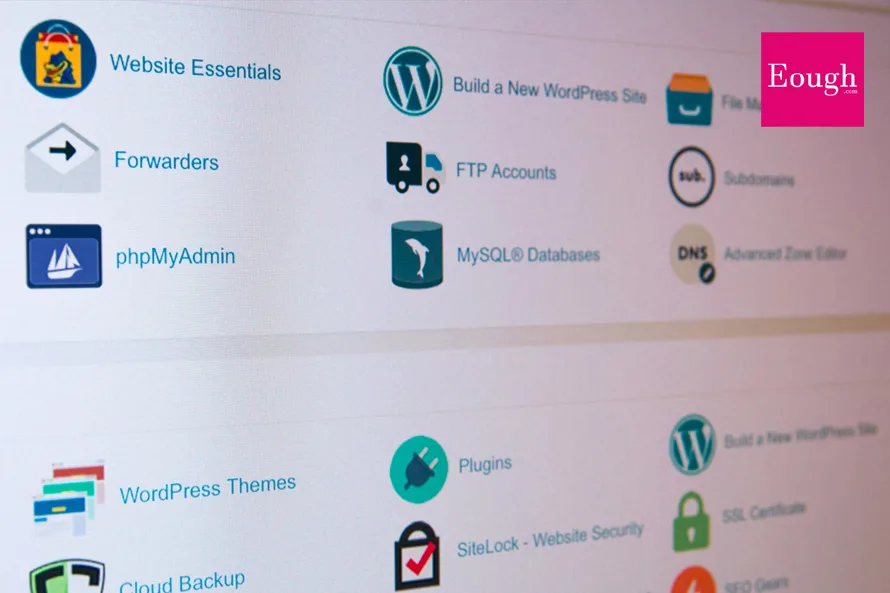
cPanel Reseller Hosting 2025: Best Practices for White-Label Brands Blog | SEO Rankings February 27, 2025 Baber Ali Intro In 2025, the demand for reseller hosting continues to grow as businesses look for scalable solutions to offer web hosting services under their brand. cPanel reseller hosting offers an intuitive, user-friendly platform for web hosting businesses to manage multiple client accounts. But to stand out in a competitive market, white-label hosting solutions are becoming increasingly popular. White-label hosting enables businesses to offer fully branded services, enhancing customer satisfaction while maintaining the flexibility and power of cPanel’s back-end infrastructure. In this comprehensive guide, we will cover the best practices for managing cPanel reseller hosting in 2025. We will focus on brand customization, client onboarding, and SSL management, ensuring your reseller business is equipped to thrive in today’s market. We’ll also explore how to incorporate these elements for seamless and efficient white-label branding. 1. Why cPanel Reseller Hosting is Essential for White-Label Brands cPanel reseller hosting provides businesses with a robust foundation to offer web hosting services to their clients while maintaining control over branding and user experience. With cPanel reseller hosting, you can easily manage client accounts and server settings from a centralized platform. Key Benefits: Ease of Use: cPanel’s interface is intuitive, making it accessible even to clients without technical expertise. Custom Branding: You can brand the platform with your logo, color scheme, and company name to maintain a consistent experience for clients. Scalability: As your business grows, you can quickly scale up your hosting resources without interruptions. By adopting white-label hosting solutions, resellers are able to rebrand cPanel’s infrastructure and present it as their own, allowing for a fully customized and professional hosting experience for clients. 2. Best Practices for Brand Customization Brand customization is a crucial aspect of running a successful reseller hosting business. With cPanel reseller hosting, you can tailor your clients’ experience to match your brand identity. Here’s how to get started: Custom cPanel Themes: Customize the look and feel of cPanel for your clients by altering default themes. This gives a personalized touch while maintaining all the powerful functionality of the platform. Branded Login Page: Make sure that clients always see your brand by customizing the login page with your logo and brand colors. A seamless and branded login experience builds trust with your clients. Dedicated Client Portal: Create a separate, branded portal where clients can manage their hosting accounts, billing, and support tickets. This ensures your brand is front and center in all interactions. Further Reading: Learn more about customizing your web hosting solutions. 3. Streamlining Client Onboarding Client onboarding can make or break your relationship with new customers. A smooth, efficient onboarding process ensures that your clients feel confident in your services from the get-go. Here are some essential steps to streamline client onboarding with cPanel reseller hosting: Automated Account Creation: Use cPanel’s API to automate client account creation and provisioning. This reduces manual work and speeds up the process. Welcome Email Template: Send a branded welcome email that includes all necessary information, including login credentials, support resources, and tips for getting started. User Guides & Tutorials: Provide easy-to-understand user guides tailored to your services. Make sure clients know how to use cPanel’s features such as email setup, file management, and database access. Explore Our Services: For more information about improving client interactions, check out our business solutions. 4. SSL Management for Enhanced Security In 2025, ensuring website security is non-negotiable. As a reseller, offering SSL certificates to your clients not only boosts trust but also improves search engine rankings. Here’s how you can manage SSL certificates effectively with cPanel reseller hosting: Automated SSL Installation: cPanel supports automatic installation of SSL certificates via Let’s Encrypt. This feature allows you to secure your clients’ websites without manual intervention. SSL Monitoring: Regularly monitor SSL certificates for expiration dates and ensure they are renewed on time. Utilize tools that alert you when certificates are about to expire. Educate Your Clients: Offer SSL management services as part of your hosting packages. Educate your clients on the importance of SSL for protecting sensitive information and enhancing website credibility. Learn More About SSL Management: Visit our guide on web hosting security. 5. Optimizing for Search Engines (SEO) While it may seem unrelated, offering a white-label cPanel reseller hosting service can also play a role in your SEO strategy. Optimizing your reseller business site will help you gain more visibility, attract new clients, and increase conversions. Responsive Website Design: Make sure your hosting service website is mobile-friendly, as search engines prioritize mobile-optimized websites. Customize your site with professional design elements that reflect your brand. SEO for Hosting Services: Leverage keywords such as cPanel reseller hosting and white-label hosting solutions 2025 in your content to drive organic traffic. Focus on creating valuable content that addresses the needs and pain points of your target audience. Further Reading: Check out our SEO services for more tips. 6. Scalability and Growth As your business grows, so will your clients’ needs. Ensure that you have the infrastructure in place to scale effectively: Resource Upgrades: As clients add websites or services, offer easy upgrades to hosting packages. cPanel reseller hosting allows you to add more resources seamlessly. Dedicated Support Teams: Invest in a robust support system to handle increased client inquiries. Offering exceptional customer support will set your business apart in a competitive market. Diversify Your Offerings: In addition to cPanel reseller hosting, consider offering other products such as WordPress hosting or VPS hosting to cater to a broader range of clients. Check Out Our Hosting Options: Explore WordPress Hosting and other hosting solutions. Conclusion cPanel reseller hosting is a powerful tool for entrepreneurs seeking to offer branded hosting solutions in 2025. By focusing on brand customization, client onboarding, and SSL management, you can establish a reliable and secure service that resonates with clients. By implementing the best practices outlined above, your business can stand out in a competitive landscape while offering top-tier hosting services. For
WordPress vs. AI Builders: Which Is Better for SEO in 2025?

WordPress vs. AI Builders: Which Is Better for SEO in 2025? Blog | SEO Rankings February 26, 2025 Baber Ali Intro In 2025, creating an SEO-friendly website requires more than just good content and a fast hosting service; it demands a well-optimized content management system (CMS). Two of the most widely used CMS platforms today are WordPress and AI website builders. But which one is better for SEO in 2025? This article explores the differences between WordPress and AI builders from an SEO perspective, focusing on Core Web Vitals, the risks of AI-generated content, and plugin optimization. As we compare these two options, we’ll dive into the key features that impact SEO performance in 2025. WordPress vs. AI Website Builders: Which One Wins for SEO? SEO performance is shaped by several factors, including website speed, mobile-friendliness, user experience (UX), and the ability to optimize content. As businesses continue to explore more efficient ways to build websites, both WordPress and AI builders offer distinct advantages. Let’s break them down based on SEO in 2025. 1. Core Web Vitals: A Crucial Factor for SEO Core Web Vitals are a set of metrics that Google uses to assess user experience on your site. These include loading performance, interactivity, and visual stability. In 2025, having an SEO-friendly website requires meeting the Core Web Vitals standards. WordPress: WordPress allows extensive optimization through plugins like WP Rocket, Autoptimize, and Yoast SEO, which help you improve loading speed and mobile-friendliness. Additionally, caching plugins and optimization techniques allow WordPress users to fine-tune Core Web Vitals for optimal performance. AI Website Builders: AI builders such as Wix and Squarespace have their own optimization systems built into the platform, but they might offer less control over finer details. While these builders can create fast websites, they may not always meet Google’s exact Core Web Vitals requirements. However, many AI builders in 2025 are becoming more sophisticated and may offer automatic optimizations to improve user experience. 2. AI-Generated Content: Risks to Consider AI-generated content is a powerful tool for scaling content creation, but it comes with significant risks for SEO. In 2025, Google is becoming more adept at detecting AI-generated text, and using it without proper oversight can hurt your website’s ranking. WordPress: With WordPress, you have full control over content creation, which allows you to avoid relying on potentially harmful AI content. By using tools like Yoast SEO and Rank Math, you can ensure your content is fully optimized for SEO best practices. Additionally, WordPress integrates well with other third-party plugins to help improve content readability, keyword density, and internal linking, which are essential for SEO. AI Website Builders: AI builders, on the other hand, are increasingly integrating AI-generated content features. For example, platforms like Wix and Webflow allow you to create content automatically, but without human oversight, this content may lack the depth and relevance Google rewards. AI-generated content can be thin, superficial, or too generic to rank well unless it is properly optimized and reviewed by a human editor. 3. Plugin Optimization: Leveraging Tools for SEO Succes Plugins are a key feature of WordPress, enabling website owners to enhance their site’s functionality and SEO performance. Whether it’s caching plugins, schema markup, or on-page SEO optimization tools, WordPress has the edge in this area. WordPress: WordPress boasts a vast library of plugins like Yoast SEO, Rank Math, and Elementor, which enhance your website’s ability to rank. These plugins are specifically designed to optimize metadata, structure content, and analyze SEO performance. The ability to install additional SEO tools and integrate third-party platforms gives WordPress users a significant advantage in staying ahead of SEO trends. AI Website Builders: While AI website builders do offer some SEO functionality, they are usually limited in comparison to the full range of plugins available for WordPress. However, many of these platforms do integrate basic SEO features such as meta tag optimization, automatic image alt text generation, and more. But for advanced users, AI website builders may not provide the same level of granular control. 4. Ease of Use vs. Flexibility: Finding the Right Balance WordPress: WordPress provides a highly flexible environment with endless customization options. However, this flexibility can be overwhelming for beginners. Users need to install themes, plugins, and configure settings for optimal performance. The steep learning curve can be a challenge, but the flexibility makes WordPress a preferred choice for experienced users who require full control over their site’s SEO. AI Website Builders: On the other hand, AI website builders prioritize ease of use and automation. They offer drag-and-drop interfaces that require little to no coding knowledge. This makes them appealing to beginners or those who need to launch a website quickly. But with this ease of use comes less flexibility and control over advanced SEO features, such as optimizing loading speeds or tailoring content for specific keywords. Conclusion: WordPress or AI Builders for SEO in 2025? When it comes to SEO, WordPress has the upper hand, thanks to its extensive plugin library, flexibility, and control over customization. For advanced SEO optimization, WordPress allows users to fine-tune every aspect of their website, ensuring a robust SEO strategy. However, AI website builders are improving rapidly and might be ideal for beginners or small businesses who prioritize convenience and ease of use over deep SEO customization. While AI-generated content and automatic optimizations are handy, they still can’t replace the detailed, manual SEO work that WordPress enables. For businesses looking to stay ahead in SEO in 2025, WordPress remains the most powerful and flexible option, offering unparalleled control over Core Web Vitals and plugin optimization.
How to Choose a 5-Page Website Design for Small Businesses (2025 Trends)

How to Choose a 5-Page Website Design for Small Businesses (2025 Trends) Blog | SEO Rankings February 26, 2025 Baber Ali Intro In 2025, the demand for sleek, efficient, and affordable 5-page website designs for small businesses is rising. Whether you’re a startup or a well-established small business, choosing the right website design is crucial for online success. This guide will walk you through key considerations for selecting an affordable 5-page website design, focusing on current small business web design trends for 2025. We’ll cover important trends such as mobile-first design, lead capture forms, and industry-specific templates to help your website stand out and perform better. Why Choose a 5-Page Website Design? For small businesses, a 5-page website design strikes a balance between simplicity and functionality. It’s a practical option that includes essential pages like Home, About Us, Services, Contact, and Blog or Portfolio. This compact structure allows you to focus on providing clear information while maintaining a clean, easy-to-navigate design. A well-crafted 5-page website design offers an affordable solution to ensure your business is online without overwhelming your resources. Affordable 5-page website designs are especially appealing to small businesses looking for a quick online presence without breaking the bank. These designs offer essential features without unnecessary complexity, making them perfect for businesses looking to grow their digital footprint with a manageable budget. 2025 Small Business Web Design Trends Mobile-First Design With mobile traffic on the rise, a mobile-first design is no longer optional; it’s essential. Google’s algorithm prioritizes mobile-friendly websites, and for small businesses, this means a responsive design that provides an optimal viewing experience on all devices. Ensuring that your website design is mobile-friendly can greatly impact both user experience and SEO rankings. By using a mobile-first approach, you’ll ensure that your customers have a seamless experience regardless of whether they visit your website from a smartphone or desktop. Lead Capture Forms An integral part of small business websites in 2025 is the incorporation of lead capture forms. These forms are essential tools for collecting customer information, nurturing leads, and increasing conversion rates. Whether you’re using the contact form or offering free resources like an eBook or consultation, having well-placed forms on your site can drive engagement and generate more business. Keep the forms simple, intuitive, and easy to fill out to encourage visitors to take action. Industry-Specific Templates One of the most effective ways to streamline your web design process while remaining professional is by choosing industry-specific templates. These templates are pre-designed with small business needs in mind and cater to industries such as real estate, healthcare, retail, and more. Using a template tailored to your industry can save time and money while ensuring that the design meets your specific requirements. Additionally, industry-specific templates often come with pre-built features that enhance functionality, such as service showcases, portfolios, and booking systems. How to Choose the Right 5-Page Website Design for Your Small Business When choosing a 5-page website design, there are several factors to consider: Functionality: Ensure that your website provides all the functionality you need, such as contact forms, booking systems, e-commerce features, and more. A responsive design that works seamlessly across all devices is crucial for user experience and SEO. SEO Optimization: SEO is a critical factor for small businesses. Your website design should come with built-in SEO tools to help you rank higher on search engines. Implementing structured data, such as schema markup, and optimizing your website for keywords like “affordable 5-page website design” can improve visibility. User Experience (UX): The best website designs focus on creating an intuitive and user-friendly experience. A clean layout, clear calls-to-action (CTAs), and easily navigable pages will keep visitors engaged and encourage conversions. Security: Ensure your website is secure by incorporating SSL certificates, which will protect both you and your visitors from potential threats. This is especially important if you’re handling sensitive customer data through lead capture forms or e-commerce transactions. Scalability: While your website may begin with five pages, ensure that it’s scalable and easy to update as your business grows. Look for designs that allow easy additions or modifications without requiring a complete redesign. Key Considerations for Small Business Websites in 2025 Speed and Performance: A slow website can harm both user experience and SEO. Opt for designs that are optimized for speed and performance. This includes lightweight images, optimized code, and fast loading times. Social Media Integration: In 2025, businesses must integrate their websites with social media channels to increase engagement and drive traffic. Ensure that your website design supports easy linking to your social media platforms and includes embedded feeds or share buttons for easy sharing. Content Strategy: Content is king in 2025. Ensure your website is designed with content creation in mind, whether it’s blog posts, service pages, or portfolio galleries. Regularly updated, high-quality content can help improve your SEO and attract visitors. Maintenance and Support: Consider the long-term needs of your website. Choose a design that allows easy updates and provides reliable customer support. Why Choose Eough for Your Small Business Website Design? At Eough, we specialize in creating custom 5-page website designs that are affordable, responsive, and optimized for success. Whether you’re a new business or an established one looking for a refresh, our web design and development services offer tailored solutions for your needs. Our affordable 5-page website designs are built with the latest trends in mind, ensuring your business stays ahead of the competition. If you’re ready to make your business stand out online, get in touch with us today to learn more about our web design services. Explore our portfolio for examples of how we’ve helped businesses like yours thrive online. For more information, check out our web design services.
Expert SEO Strategies to Boost Search Engine Rankings
Expert SEO Strategies to Boost Search Engine Rankings Blog | SEO Rankings February 25, 2025 admin Intro In the highly competitive world of digital marketing, achieving high search engine rankings is crucial for online success. Whether you’re a small business or a large corporation, leveraging effective SEO strategies can dramatically enhance your visibility and drive organic traffic to your website. In this comprehensive guide, we’ll explore expert SEO strategies that will help boost your search engine rankings, using proven tactics based on Google’s ever-evolving algorithms. What is SEO? SEO, or Search Engine Optimization, is the process of optimizing your website to rank higher in search engine results pages (SERPs). By aligning your website’s content with the ranking factors of Google and other search engines, you increase the chances of appearing higher on SERPs for relevant queries. While there are many strategies to improve SEO, the focus should be on those that are both effective and sustainable. Let’s dive into some of the top strategies you can implement today. 1. High-Quality Content: The Cornerstone of SEO Content remains the foundation of SEO success. Search engines favor content that is informative, engaging, and answers user queries. To meet this demand: Focus on User Intent: Understand what users are looking for and create content that directly answers their needs. For example, if you’re providing business solutions, link to relevant services like E-commerce Solutions or Business Solutions on your website. Long-Form Content: Comprehensive, well-researched content tends to perform better in search rankings. Articles exceeding 1,000 words often get more shares and backlinks, increasing their authority. Keyword Optimization: Use keywords naturally, ensuring that the content addresses the main topics comprehensively. Tools like Google Keyword Planner can help you discover the most relevant keywords for your niche. E-A-T: Google values Expertise, Authoritativeness, and Trustworthiness (E-A-T). Make sure your content reflects these qualities, providing valuable insights that users trust. For example, creating a detailed guide on SEO Services can help establish your website as an authoritative source on SEO. 2. Mobile Optimization With mobile devices accounting for over half of all web traffic, Google now prioritizes mobile-first indexing. Websites that aren’t mobile-optimized risk being penalized in rankings. Here’s how to ensure your website is mobile-friendly: Responsive Design: Use a responsive design framework to make sure your website adjusts well on any device. Page Speed: Slow websites are detrimental to user experience. Optimize your images, leverage browser caching, and use Content Delivery Networks (CDNs) to speed up your website. For more guidance on optimizing your site’s performance, explore Web Hosting or Mobile App Development services on Eough.com. Content remains the foundation of SEO success. Search engines favor content that is informative, engaging, and answers user queries. To meet this demand: Focus on User Intent: Understand what users are looking for and create content that directly answers their needs. For example, if you’re providing business solutions, link to relevant services like E-commerce Solutions or Business Solutions on your website. Long-Form Content: Comprehensive, well-researched content tends to perform better in search rankings. Articles exceeding 1,000 words often get more shares and backlinks, increasing their authority. Keyword Optimization: Use keywords naturally, ensuring that the content addresses the main topics comprehensively. Tools like Google Keyword Planner can help you discover the most relevant keywords for your niche. E-A-T: Google values Expertise, Authoritativeness, and Trustworthiness (E-A-T). Make sure your content reflects these qualities, providing valuable insights that users trust. For example, creating a detailed guide on SEO Services can help establish your website as an authoritative source on SEO. 3. On-Page SEO: Mastering the Basics On-page SEO refers to the elements of your website that you can control. These include: Meta Tags: Ensure your meta title and description are compelling and optimized with relevant keywords. These appear in the search results, influencing click-through rates. Header Tags: Use header tags (H1, H2, H3) to structure content and make it more readable for both users and search engines. Internal Linking: Linking to other relevant pages within your site, like your About Us or Services pages, helps search engines crawl your site more effectively while guiding users to discover more content. Alt Text for Images: Use descriptive, keyword-rich alt text for images to improve accessibility and boost SEO. 4. Backlink Building: Authority and Trust Signals Backlinks—links from other websites to yours—are crucial for SEO. Google views backlinks as votes of confidence for your content. To build a strong backlink profile: Create Shareable Content: Develop content that others naturally want to link to, such as case studies, blog posts, or research papers. Guest Posting: Contribute high-quality guest posts to reputable websites in your niche. This can help you earn backlinks and establish your authority. Check out services like Guest Posting on Eough.com for more info. Broken Link Building: Find broken links on authoritative websites and offer your content as a replacement. 5. Technical SEO: Enhancing Site Architecture Technical SEO is about improving the technical aspects of your website to make it easier for search engines to crawl and index. Key elements include: XML Sitemap: A well-structured XML sitemap helps search engines discover all the pages on your site, ensuring they are indexed. Eough.com uses a dynamic XML Sitemap that is updated regularly. Structured Data: Implement schema markup to help search engines understand your content better and enhance rich snippets in search results. SSL Encryption: Google gives preference to secure websites (those with HTTPS), so ensure your website is encrypted. 6. Local SEO: Targeting Geographic Searches Local SEO is essential for businesses looking to attract local customers. Here’s how to optimize for local SEO: Google My Business: Ensure your business is listed on Google My Business, and keep your profile up-to-date with accurate contact information, hours of operation, and reviews. Local Keywords: Use location-based keywords in your content. For example, if you offer SEO Services in Dubai, make sure you mention “Dubai SEO services” in your content. Local Reviews: Encourage satisfied customers to leave positive reviews on Google, Yelp, and other review platforms. This builds trust and